Casement window hardware

Inward and outward side-hung sashes, each with its own set of parts.

Inward: 9 partsOutward: 6 parts
See the inward set
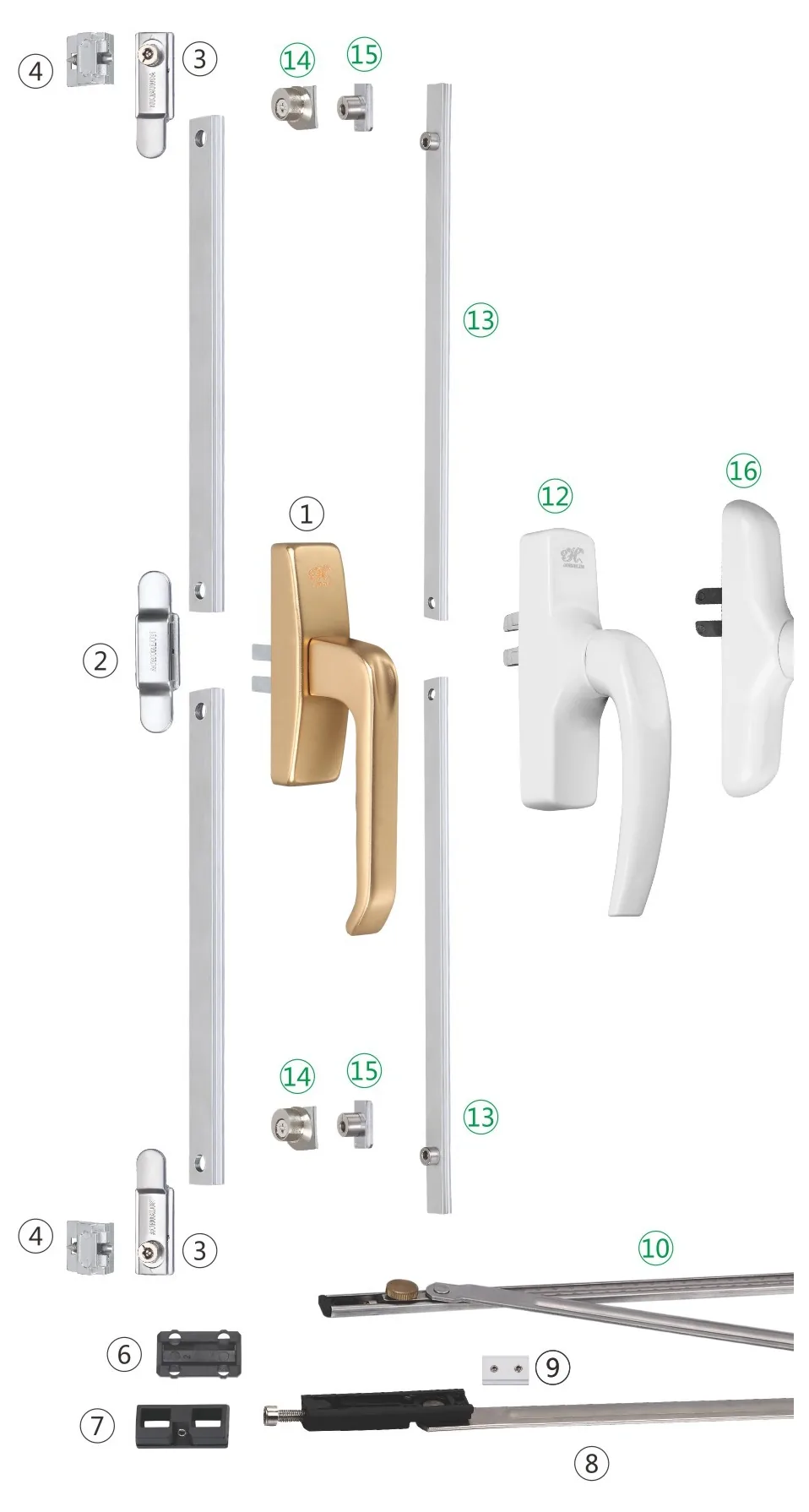
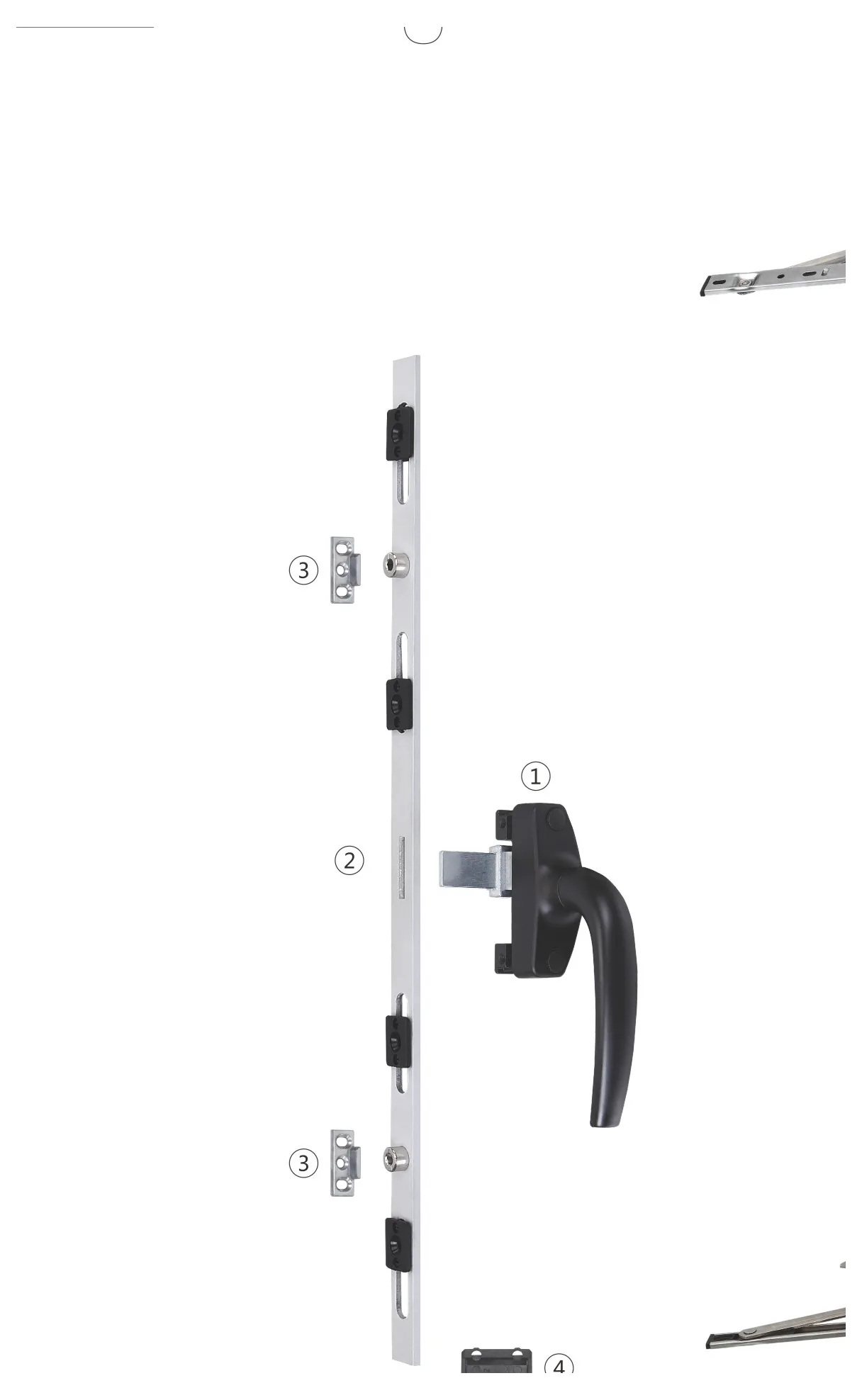
Inward casement hardware laid out beside the sash: transmission rods, handle, lock plates and wind bracing
Catalogue set arrangement for an inward-opening casement window

Inward opening

A side-hung sash that opens in, with an optional vent position.

9 partsTwo-point lockWind bracing

Handle1

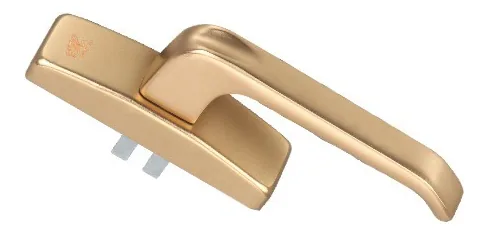
Gold casement window handle with lever and spindle

Casement handle

Releases the sash and holds the vent position.

Micro-ventilationThree finishes

Transmission2
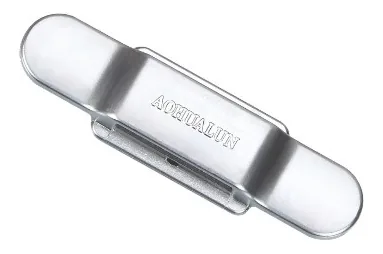
Polished main transmission rod

Main transmission rod

Runs the drive from the handle.

Full sash height
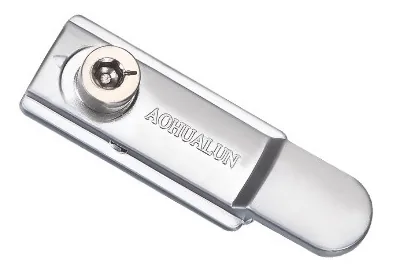
Side transmission rod with lock point

Side transmission rod

Adds lock points on the second side.

2 per sash

Locking1
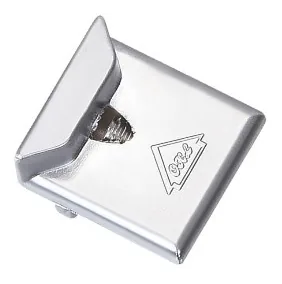
White locking plate for an inward casement

Locking plate

Pulls the sash onto the frame seal.

2 per sash

Hinges1
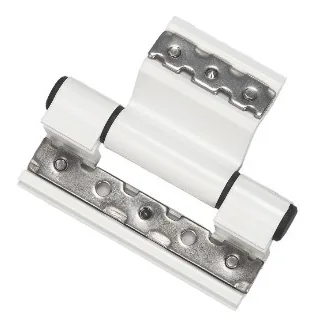
Pivot hinge with white cover and adjustable pin

Pivot hinge

Carries the opening edge of the sash.

2 per sashOptional

Support parts1
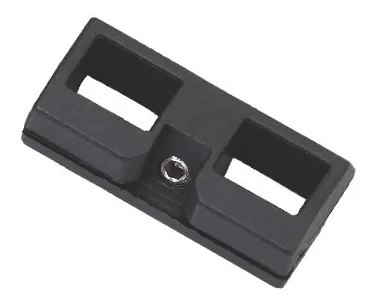
Black supporting block with two screw slots

Supporting block

Sets the sash height before fixing.

Adjustable
Outward opening

A side-hung sash that opens out on friction stays.

6 partsFriction staysSash without groove
Outward casement hardware laid out beside the sash: black handle, transmission bar, lock plates and friction stays
Catalogue set arrangement for an outward-opening casement window

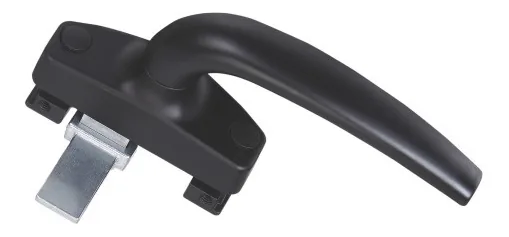
Handle1

Black outward casement window handle

Outward casement handle

Releases the sash from the frame.

Lever handleBlack finish shown

Transmission1

Transmission bar with black lock point blocks

Transmission bar

Carries the lock points along the edge.

Cut to sash size

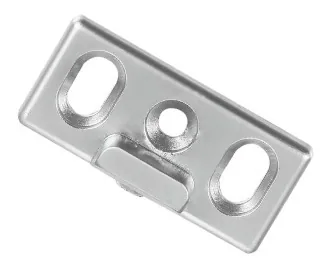
Locking1

Stainless locking plate with two cam openings

Locking plate

Holds the closed sash against the frame.

2 per sash

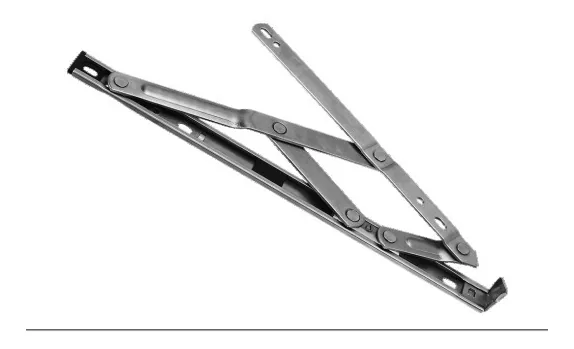
Stays1

Stainless friction stay with riveted arms

Friction stay

Holds the open sash and its weight.

2 per sashSets the opening angle

What changes

Outward sashes hang on friction stays instead of pivot hinges, so the stay parts and the size limits differ.

Inward or outward, send the profile

Add the sash sizes and the quantity.